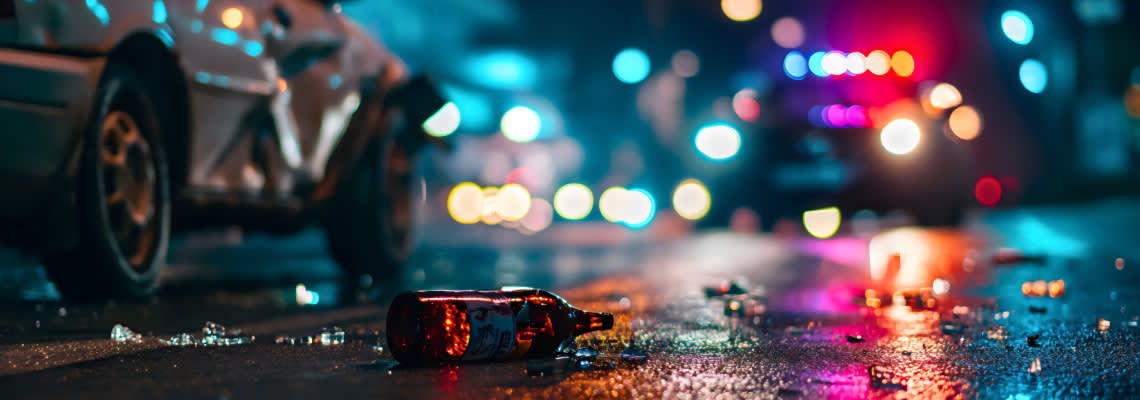
Being involved in a drunk driving accident will often result in vehicle damage, missed work, comprehensive medical care, and difficult questions about what happened. Proving liability proof in these cases is essential. You can't rest a claim on the fact that another driver was impaired alone. Instead, you will need to provide sufficient evidence showing how that driver’s conduct caused the crash and your resulting injuries.
At The Law Office of Steve Slough, we are experienced in helping injury victims obtain and review the necessary evidence to support a drunk-driving accident claim. Whether through police records, medical documentation, or witness accounts, our attorney can help you prove liability and pursue the compensation you need.
Located in Clayton, Missouri, we serve clients throughout St. Louis County, St. Charles County, and Madison County, Missouri, as well as St. Clair County, Illinois. Contact us today to schedule a free consultation and explore how we can help establish liability following a drunk driving accident.
Why Liability Matters After a Drunk Driving Crash
Liability refers to who is legally responsible for the harm caused by an accident. In a drunk driving accident case, the injured person generally needs to show that the other driver had a duty to drive safely, breached that duty, caused the accident, and caused damages.
Impairment can be strong evidence of unsafe conduct, but you will still need to establish a clear link between the driver’s actions and the injuries to pursue compensation. That link can be built through a combination of records and testimony.
How Causation Can Connect the Drunk Driver to the Accident
Causation is the bridge between wrongful conduct and the harm you suffered. In a drunk driving accident, causation could be proven by providing evidence that the impaired driver ran a red light, rear-ended another vehicle, drove too fast, or made another unsafe maneuver. In other words, you will need to show what the driver did and how that action created the crash.
Insurance companies may still look for ways to dispute fault, even when one driver was intoxicated. They might question the sequence of events, argue that another driver contributed, or claim that your injuries came from a prior condition. However, a well-documented claim can address those issues with clear facts rather than assumptions.
Types of Evidence to Help Prove Liability
To pursue compensation after being injured in a drunk driving accident, you will need to prove that the other driver was responsible. To do so, you will need to provide sufficient evidence to support your claim. The primary types of evidence you should gather include the following:
Police Reports and Impairment Evidence
In Virginia, you are required to call law enforcement to the accident scene if the value of the damage or injuries is greater than $500. A police report will serve as key evidence and can identify the drivers, describe the crash location, summarize statements, note visible signs of impairment, and list any citations or arrests.
Police observations: Officers may record signs such as slurred speech, odor of alcohol, poor balance, red eyes, or inconsistent statements.
Field sobriety details: Notes about roadside testing could help show why officers suspected impairment.
Chemical test information: Blood, breath, or urine test results might become relevant if they’re available and admissible.
Citation or arrest records: Traffic charges or criminal allegations may provide context for the driver’s conduct.
Body camera or dash camera footage: Video can capture statements, driving behavior, field testing, or the scene after the crash.
These records don’t replace the need to prove causation and damages. A driver may have been impaired, but you will still need to show how that impairment led to the accident.
Witness Statements, Photos, and Physical Evidence
The accident scene is the primary source of evidence for proving liability. Photos, videos, debris patterns, vehicle resting positions, skid marks, traffic signals, weather conditions, and road layout may all help explain what happened. If possible, safely gathering basic information can help preserve evidence that might be difficult to recreate later. The primary types of evidence you should gather at the accident scene include:
Vehicle damage photos: Images of impact points can help show the angle and force of the collision.
Roadway photos: Pictures of lanes, signs, intersections, lighting, and traffic controls might clarify how the crash occurred.
Witness contact information: Names and phone numbers can allow follow-up before memories become less clear.
Surveillance footage: Nearby businesses, homes, or traffic cameras could’ve captured the crash or the impaired driver’s conduct.
Emergency calls: Emergency calls may include real-time descriptions of the driver, vehicle, or crash scene.
Police records might say what officers found after the crash, but physical evidence and witnesses can show what occurred before impact. If you require assistance with gathering evidence following a crash, contact a skilled Missouri drunk driving accident lawyer.
Medical Records and Evidence of Financial Loss
Proving liability isn’t only about showing that the other driver caused the crash. You will also need to show damages, such as physical injuries, medical bills, lost income, reduced earning ability, pain, daily limitations, and other losses tied to the accident.
Without documentation, even valid losses could be harder to value. Medical care is especially important because treatment records can connect injuries to the crash timeline. The evidence that can support damages includes:
Emergency treatment records: Hospital and urgent care documents may document the initial medical findings after the crash.
Diagnostic testing: X-rays, scans, and other tests can identify fractures, soft-tissue injuries, and other trauma.
Provider notes: Medical notes might describe pain levels, physical restrictions, and treatment recommendations.
Billing records: Invoices and insurance statements can help show the cost of care.
Employment records: Pay stubs, employer letters, or work schedules could help document missed work or reduced hours.
The evidence of your damages should match your liability claim. For example, if the crash caused neck, back, or head injuries, your records should show when symptoms began, what treatment was needed, and how the injuries affected your daily life.
Contact an Experienced Drunk Driving Accident Attorney in St. Louis, Missouri
If you have been injured in a drunk driving accident, you have the right to pursue compensation. However, you will need to provide detailed evidence and documentation to prove liability. At The Law Office of Steve Slough, our attorney, Steve Slough, is dedicated to providing the guidance and representation you need to advocate for your case.
Located in Clayton, Missouri, we serve clients throughout St. Louis County, St. Charles County, and Madison County, Missouri, as well as St. Clair County, Illinois. Contact us to schedule a free consultation and explore the evidence you need to support your claim.